Breathe Again LivingSupport. Connection. A second chance.
Two women walking together on a sunny path, photographed from behind.

Breathe Again Community Foundation · Why community matters

A second chance deserves
a community behind it.

A woman’s future should not be defined by the harm done to her, the struggle she is working through, or a chapter she is ready to change.

She is someone’s daughter. She may be someone’s mother. Her story is still being written.

Abuse, exploitation, substance use, and isolation affect real people and families. Breathe Again Living brings encouragement, accountability, practical skills, and meaningful relationships into the everyday work of beginning again.

For a survivor, rebuilding is not about earning forgiveness for what someone else did. For someone pursuing recovery, it is about having support while taking responsibility for the next step.

Illustrative stock photo · Not BAL residents · Pexels

The facts behind the need

These are lives. These are families.

Abuse

More than 1 in 3

U.S. women have experienced contact sexual violence, physical violence, and/or stalking by an intimate partner during their lifetimes.

Rebuilding can involve safety concerns, disrupted work, and physical and emotional effects. A woman deserves to be heard, respected, and supported as she decides what comes next.

CDC · updated August 2026. National lifetime prevalence.

Human trafficking

1,487 cases

The National Human Trafficking Hotline identified 1,487 Texas trafficking cases involving 2,772 victims in 2025.

These reports include sex trafficking and labor trafficking. They show a documented need for survivor support and connections to specialized services.

National Human Trafficking Hotline · Texas, 2025. These are situations reported to the Hotline, not the total prevalence of trafficking or a count of criminal convictions. Figures include different ages and sexes.

Drug use disorders

28.2 million

U.S. people aged 12 or older had a drug use disorder in the past year in 2024.

A substance use disorder is more than a label. People need access to appropriate care and support for building a life in recovery.

SAMHSA · 2024 NSDUH, published July 2025. Survey estimates cover the civilian, noninstitutionalized population aged 12 or older.

Drug overdose

79,384 lives

Drug overdose deaths occurred among U.S. residents in 2024, including 24,308 women.

Deaths declined from 2023, but the loss remains profound. Recovery support belongs alongside access to treatment and overdose prevention.

CDC/NCHS · final 2024 data, published January 2026. These deaths are not all intentional or attributable to loneliness.

Alcohol

27.9 million

U.S. people aged 12 or older had an alcohol use disorder in the past year in 2024.

Separately, CDC estimates excessive drinking caused about 178,000 deaths annually during 2020–2021, including approximately 58,700 girls and women each year.

SAMHSA · 2024 NSDUH · CDC · 2020–2021 annual mortality estimates. Different populations and time periods; these figures should not be added to overdose totals.

Loneliness & suicide risk

About 1 in 3

U.S. adults report feeling lonely, according to CDC. Loneliness and social isolation are associated with increased risk of suicidal thoughts and behavior.

Suicide has multiple contributing factors. Supportive relationships, feeling connected to community, and access to quality care are protective factors.

CDC · social connection, 2024 · CDC · suicide risk and protective factors, updated May 2026. The loneliness estimate draws on 2022 survey data from 39 states, D.C., and two territories. No figure here attributes suicide deaths solely to loneliness.

These statistics describe different populations and overlapping experiences. They are not BAL outcomes, should not be added together, and do not describe every woman or family who joins our community.

Two women sitting together on a bench beside a lake, photographed from behind.

Why community belongs in the response

Connection has a role in recovery and well-being.

Support can extend beyond appointments.

SAMHSA describes peer support as helping people stay engaged in recovery through shared understanding, relationships, practical resources, and encouragement.

SAMHSA · peer support

Relationships can be protective.

CDC identifies support from friends and family, connection to others, and connection to community as protective factors for suicide risk, alongside consistent access to quality healthcare.

CDC · suicide risk and protective factors

There is research behind mutual-help connections.

A 2020 Cochrane review of 27 studies involving 10,565 people found strong evidence that structured, clinician-delivered twelve-step facilitation designed to increase AA participation improved continuous abstinence compared with other established treatments.

Kelly, Humphreys & Ferri · Cochrane, 2020. Evidence searched through August 2019. This research concerns AA and twelve-step facilitation; it does not test BAL or establish a BAL success rate.

Community support complements professional care. BAL does not provide medical treatment, detoxification, psychotherapy, or emergency crisis response.

Illustrative stock photo · Not BAL residents · Pexels

A second chance with support around it

Hope becomes practical through everyday support.

Someone may be ready for a different future and still need help building it. BAL’s approach brings people and practical support together, with room to work toward goals one step at a time.

Someone who listens.

Voluntary Healing Partner relationships offer encouragement grounded in lived experience.

Structure with respect.

Clear expectations, routines, and accountability support follow-through while treating each person with dignity.

Skills for everyday life.

Life skills and coaching support planning, responsibilities, problem-solving, and personal goals.

Connections for the next step.

Employment resources, recovery connections, and community partners help residents explore appropriate opportunities and outside services.

A community around mothers.

Women with children deserve encouragement as they work toward goals for themselves and their families.

Faith offered with choice.

The Healing Program and faith-based spiritual support are voluntary. Each person’s voice and choices matter.

You are not a statistic. You are a person with strengths, a voice, and a future worth investing in.

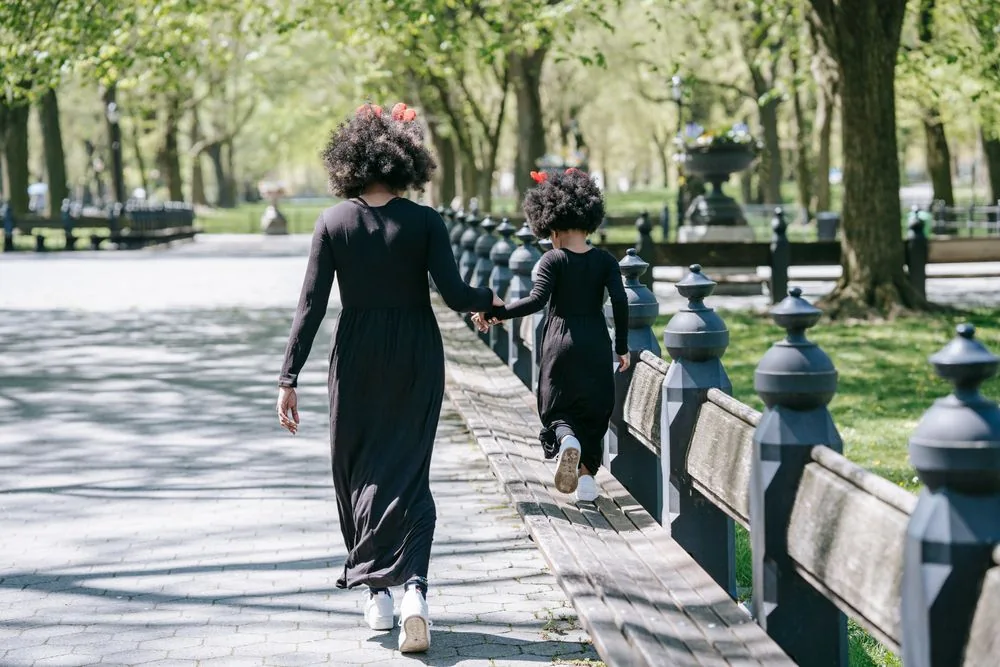
A mother and daughter holding hands as they walk through a park, photographed from behind.

Turn concern into connection

Help make a second chance feel possible.

Sponsors & community supporters

Contribute practical resources, learning tools, professional expertise, or support through the appropriate BAL entity. We will identify the recipient and purpose clearly.

Discuss a partnership →

Potential Healing Partners

Bring a listening ear, lived experience, and a willingness to learn the boundaries and responsibilities of a volunteer role.

Meet our Healing Partners →

Women seeking a second chance

Talk with us about your goals and what support would be helpful. We will review eligibility, expectations, fees, and availability together.

Explore joining our community →

Referral & service partners

Help connect people with appropriate support and resources. An inquiry starts a conversation; it does not guarantee placement.

Connect with BAL →

Illustrative stock photo · Not BAL residents · Pexels

Breathe Again Community Foundation

Help put a second chance within reach.

A woman ready to begin again deserves people willing to walk beside her.

Breathe Again Community Foundation is an approved 501(c)(3) nonprofit. Your generosity can help provide everyday essentials, learning tools, transportation assistance, and opportunities for women and families to build skills and connect with caring people.

Give once, become a monthly supporter, or bring your gifts and resources as a community partner. Together, we can help turn a hopeful next step into a supported one.

Donations through this link support Breathe Again Community Foundation (EIN 42-5276745), a separate nonprofit from Breathe Again Living, LLC. You will complete your gift securely on Givebutter.

How we intend to demonstrate the difference

Community should be felt—and followed through.

As BAL begins serving residents, we propose tracking residents’ feedback on respect and belonging, their progress toward individual goals, voluntary Healing Partner participation, and connections to outside services.

These are proposed measures, not results already achieved. Public reporting will use aggregate information and protect residents’ identities and the home’s location.